For homeowners in their 30s and 40s, the kitchen is no longer just a cooking space—it’s a daily-use area that impacts comfort, efficiency, and quality of life. A well-designed kitchen makes cooking effortless, enjoyable and safe. A poorly planned one, however, can turn everyday meals into a source of stress.
If you are planning a kitchen renovation, these 4 Essential Kitchen Design Details are the ones that truly matter—especially after you move in.
1. Kitchen Layout: Smooth Movement Makes Cooking Enjoyable
A kitchen is not just a display space—it’s a high-use working area. When the layout is planned well, cooking feels easier and far less tiring. When it isn’t, even simple meals can become stressful.
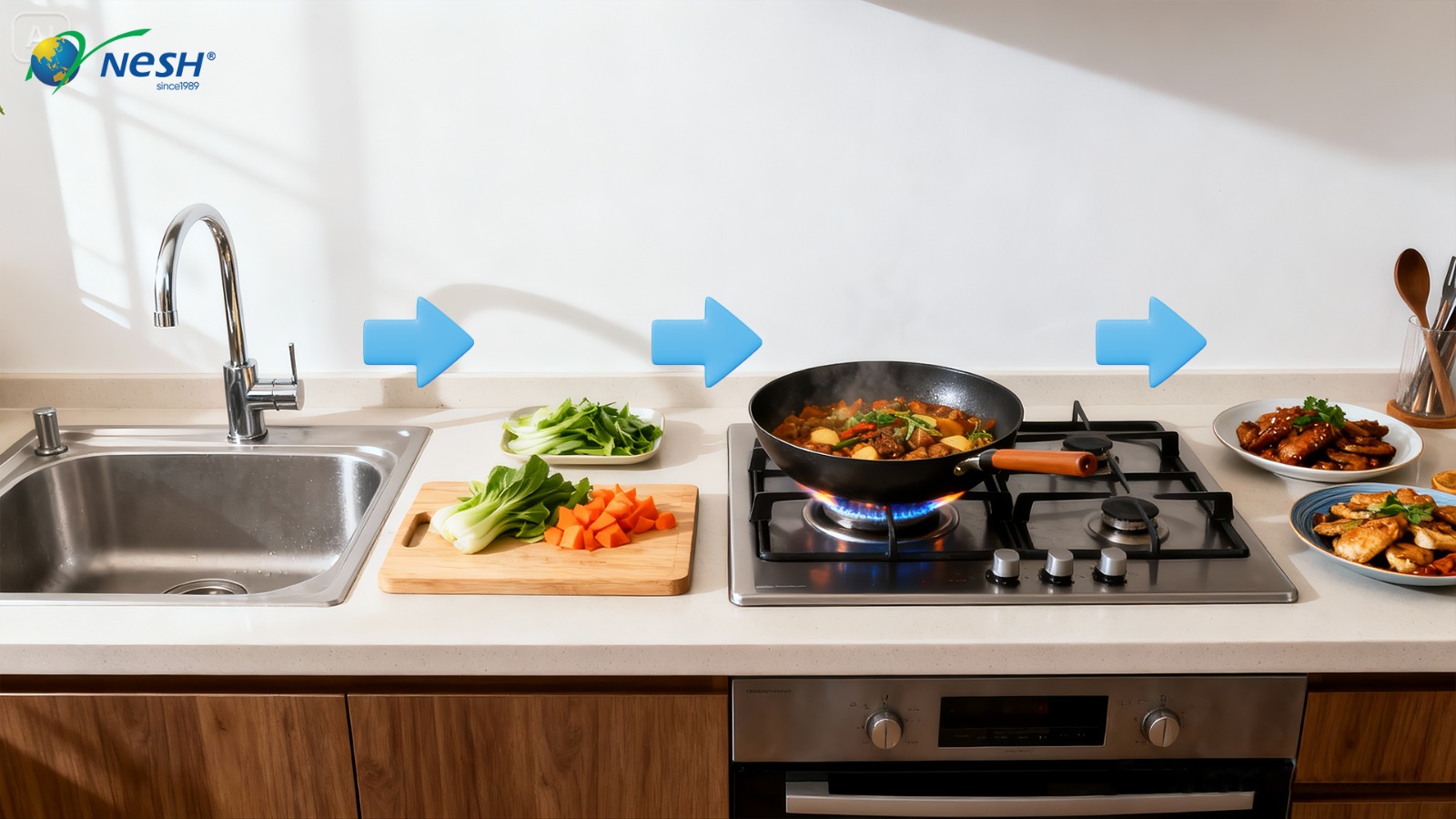
A smooth kitchen workflow usually revolves around three key zones: washing, prepping, and cooking.
Ideally, you wash ingredients at the sink, turn to the prep area, then move naturally to the stove. Once cooking is done, there’s space nearby to place hot pots or finished dishes. This seamless flow eliminates unnecessary steps and repeated walking—and over time, the comfort difference becomes very noticeable.
However, many homeowners only realise layout problems after moving in, such as:
The sink is too far from the prep area
The stove placed in a corner, making movement inconvenient
No space to place pots or plates after cooking
These issues may seem minor, but when experienced daily, they quickly turn into ongoing frustration.
A well-designed kitchen should ease your movements, allowing tasks to be completed naturally and swiftly, without constantly adjusting to the space.
2. Countertop Space: The Real Measure of a Functional Kitchen
Many kitchens look neat at first—but once daily life starts, limited countertop space quickly becomes a problem.
Countertops are used for:
Food preparation
Placing ingredients and cookware
Storage of pots and pans
Brewing beverages
Preparing meals for children
When countertops are cluttered with kettles and appliances, the kitchen instantly feels smaller.
Smart Countertop Optimisation Tips:
Integrate multifunctional kitchen appliances
Store non-essential items inside cabinets
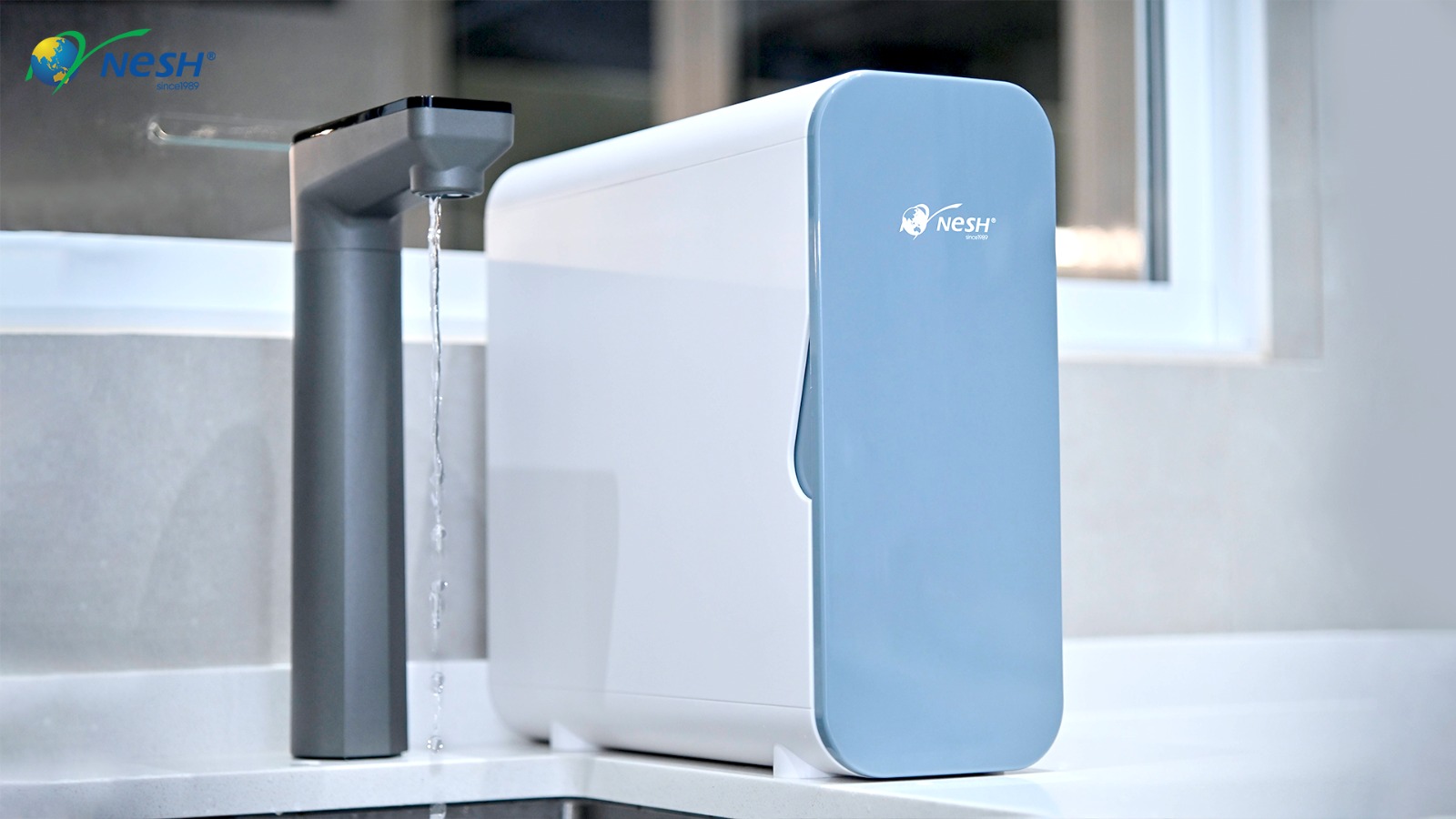
For example, using the NESH Smart Tap allows instant access to hot water at different temperatures, reducing the need to place multiple kettles or drinking appliances on the countertop. Meanwhile, the NESH Ocean Undersink Water Filter, is installed under the sink, keeping it hidden from view and freeing up both visual and working space—allowing the countertop to truly return to its role as a functional workspace.
When the countertop remains clean and uncluttered, the kitchen becomes easier to use and maintain over time.
3. Cabinet Planning: Think Beyond “Enough Storage”
One of the most common kitchen renovations regrets is insufficient storage.
What feels like enough cabinets today often isn’t enough a few years later.
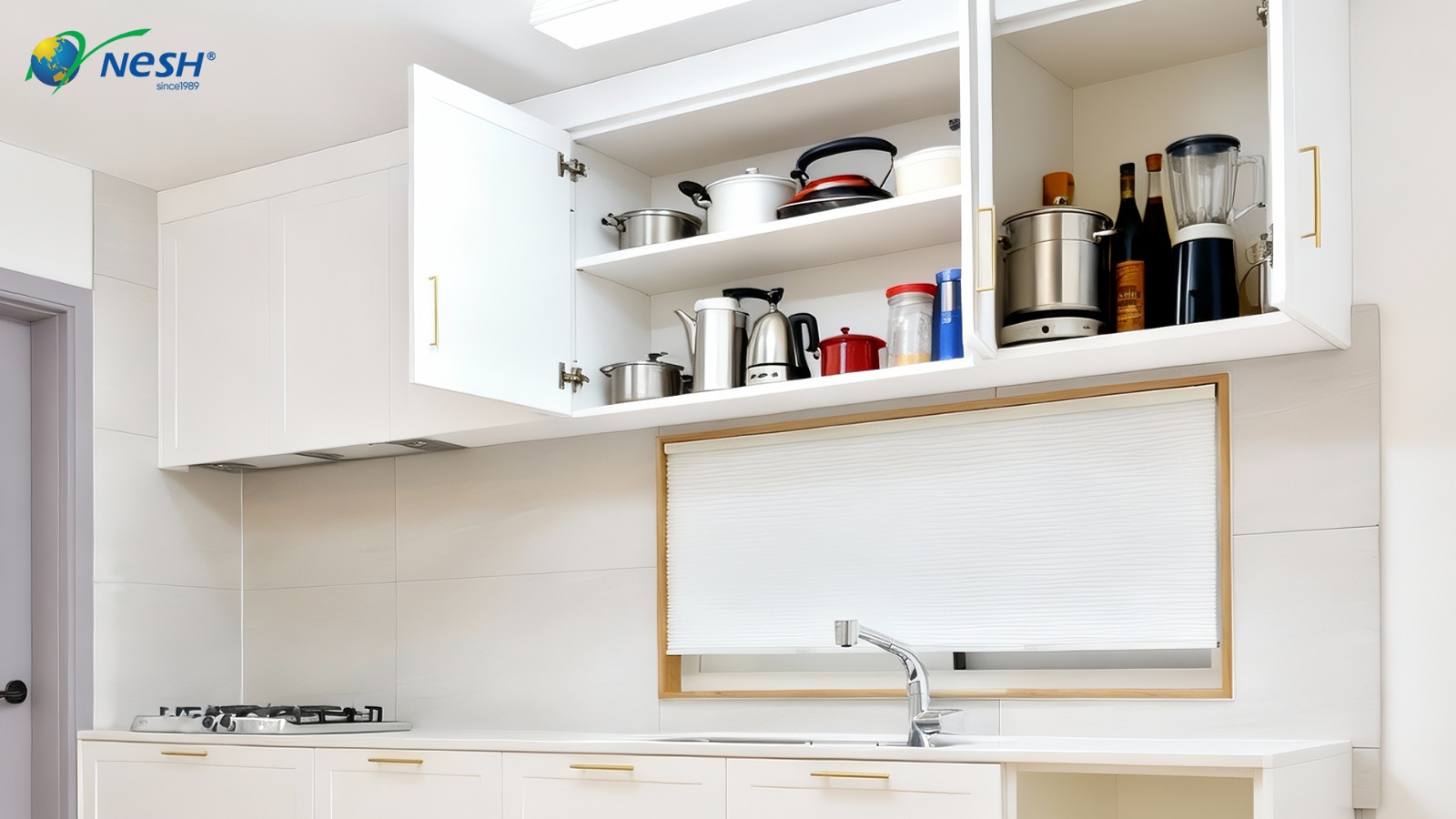
Good kitchen storage planning includes:
Space for bottles, jars and containers
Dedicated areas for small appliances
Hidden storage for cleaning supplies
Extra space for future needs
Extending cabinets to the ceiling not only increases storage but also reduces dust build-up and simplifies cleaning.
For busy dual-income households, easy-to-maintain kitchens are far more likely to be used and enjoyed. Thoughtful storage planning extends the practical lifespan of the kitchen.
4. Ventilation: Keeps Your Kitchen Comfortable
Even the most beautiful kitchen becomes unpleasant if oil smoke and odours linger.
Good ventilation relies on two key components:
A high-efficiency range hood or exhaust system
Proper airflow through windows or vents
Why proper ventilation matters:
Less grease build-up
Minimizes odours from spreading to other rooms
Reduces lingering smells on clothes and hair
This is one of those features you will truly appreciate over time—especially in homes where cooking is a daily routine.

Kitchen Renovation: A Long-Term Investment in Quality of Life
A kitchen renovation is not a one-time decision—it’s a long-term investment in daily living.
From layout and safety to storage and ventilation, every design choice affects how your kitchen performs over the years.
Instead of chasing trends, focus on:
Practical usability
Alignment with your family’s daily habits
Long-term comfort and maintenance